
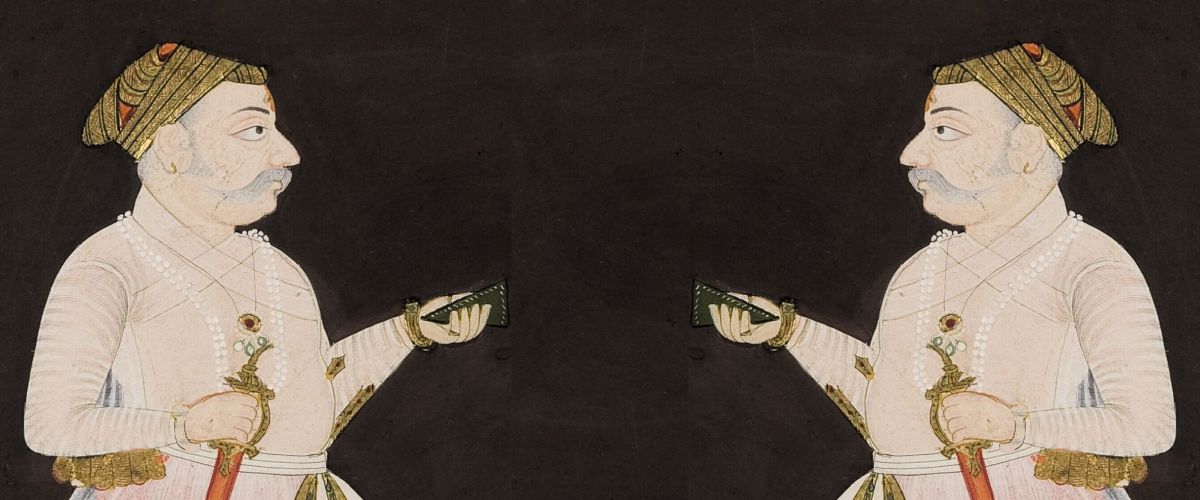
Celebrating Bequests at the RAS
This month, some UK institutions are celebrating their Legacy Weeks, highlighting the lasting impact of gifts and bequests on arts and cultural organisations. In light of this, we thought it would be nice to look back at some of the significant bequests that have helped shape the Society, enriching its collections, supporting scholarship and enabling its work to continue for future generations.
The Storey Bequest
Professor Charles Ambrose Storey (1888-1968) became a Fellow of the Society in 1915. He served as Librarian at the India Office before being appointed Professor of Arabic at Oxford in 1927, a position he held until his retirement in 1947. Following his death, Storey bequeathed the residue of his estate to the Society, including property, investments, his personal library and papers.
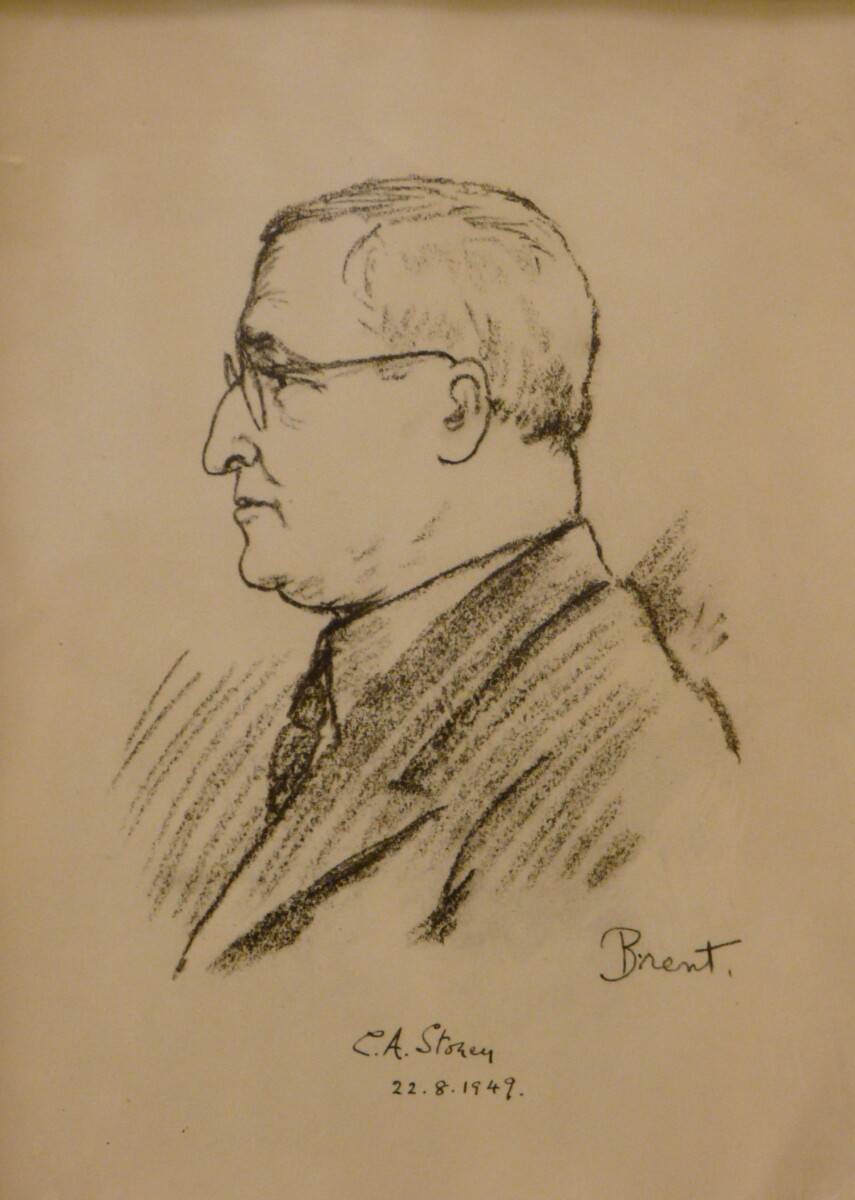
The Arabic and Persian manuscripts that formed part of his bequest continue to be consulted by readers today. Yet Storey is perhaps best remembered for his monumental contribution to scholarship: Persian Literature: A Bio-Bibliographical Survey. First published in 1927, this ambitious work set out to document the vast breadth of Persian literature and its authors, attempting to fill a notable gap in Middle Eastern studies. Its scale was extraordinary, and its publication became a project spanning generations. Storey lived to see only the first volume and the first part of the second volume published. Recognising the importance of his work, the Society used funds from his bequest to help bring his vision to completion and facilitate the publication of the remaining volumes III, IV and V.
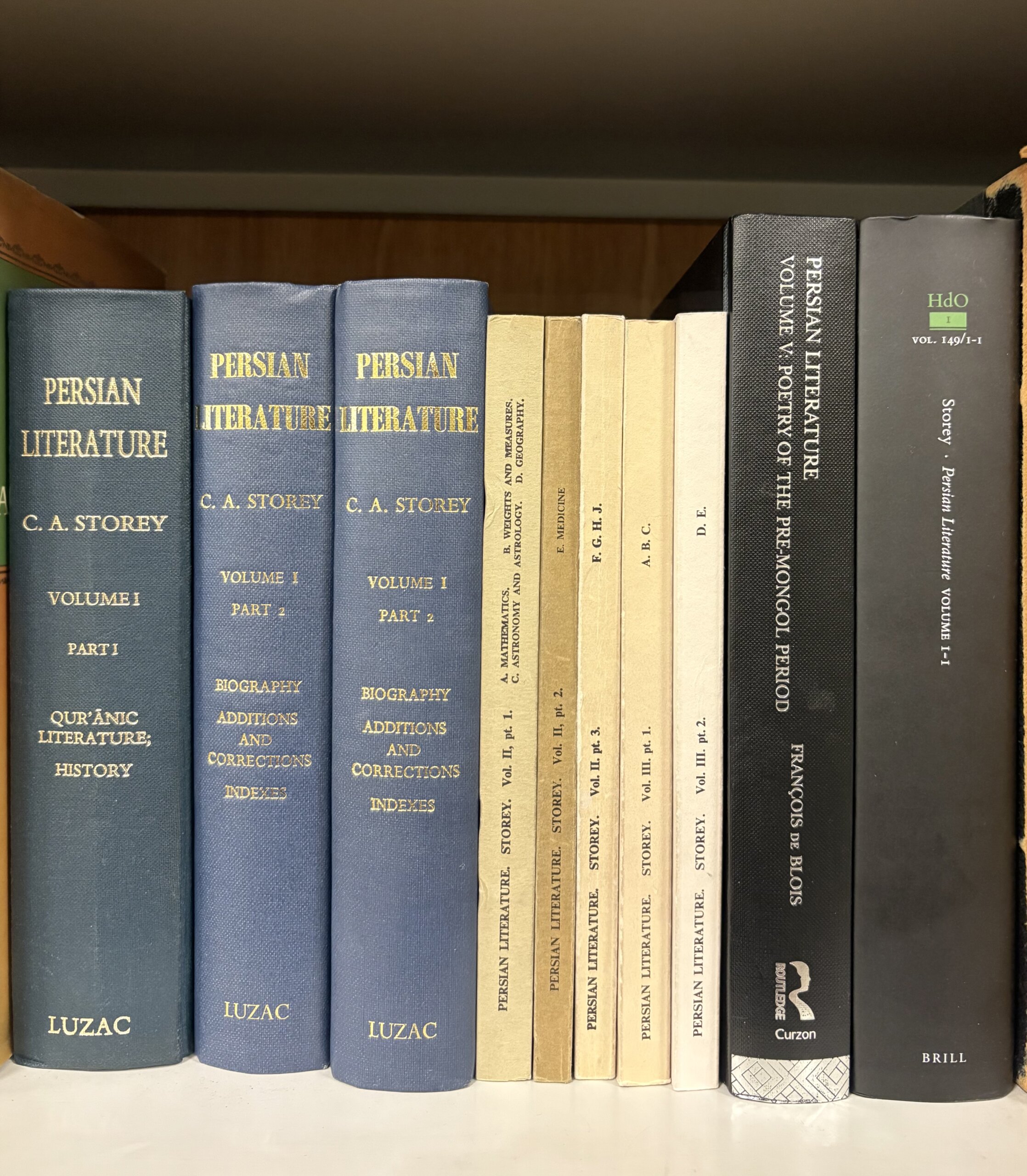
The final volume, covering poetry of the pre-Mongol period, was published in three parts, with the last appearing in 1997 – that is seven decades after the work first began to appear in print! Its completion was overseen by François de Blois, a Research Fellow employed by the Society. Today, this multi-volume work remains an authoritative reference work for the study of the Persian literary tradition, and it is an honour for us to have played a part in realising Storey’s scholarly commitment.
Within the personal papers of Storey there survives a large amount of drafts and research material relating to the compilation of this work, alongside some correspondence and collected material. These are open for research and have been catalogued here: https://royalasiaticarchives.org/index.php/papers-of-charles-ambrose-storey.
The Dorothy Wales Bequest
A very different legacy entered the Society’s collections through the bequest of Mrs Dorothy Wales, widow of the archaeologist Horace Geoffrey Quaritch Wales (1900–1981).
Quaritch Wales devoted much of his career to investigating early Indian cultural influences across Southeast Asia. As field director of the Greater India Research Committee, he led several major expeditions across the region during the 1930s, including in Thailand, Malaysia and Burma. His work contributed to wider scholarly debates about the region’s archaeology, religion and cultural connections. After his return to England, alongside overseeing his family antiquarian bookselling business, Quaritch Wales maintained a longstanding relationship with the Society. He served on our Council and, from 1964 to 1968, as a Vice-President, and contributed articles and reviews to JRAS and other scholarly publications throughout his life.
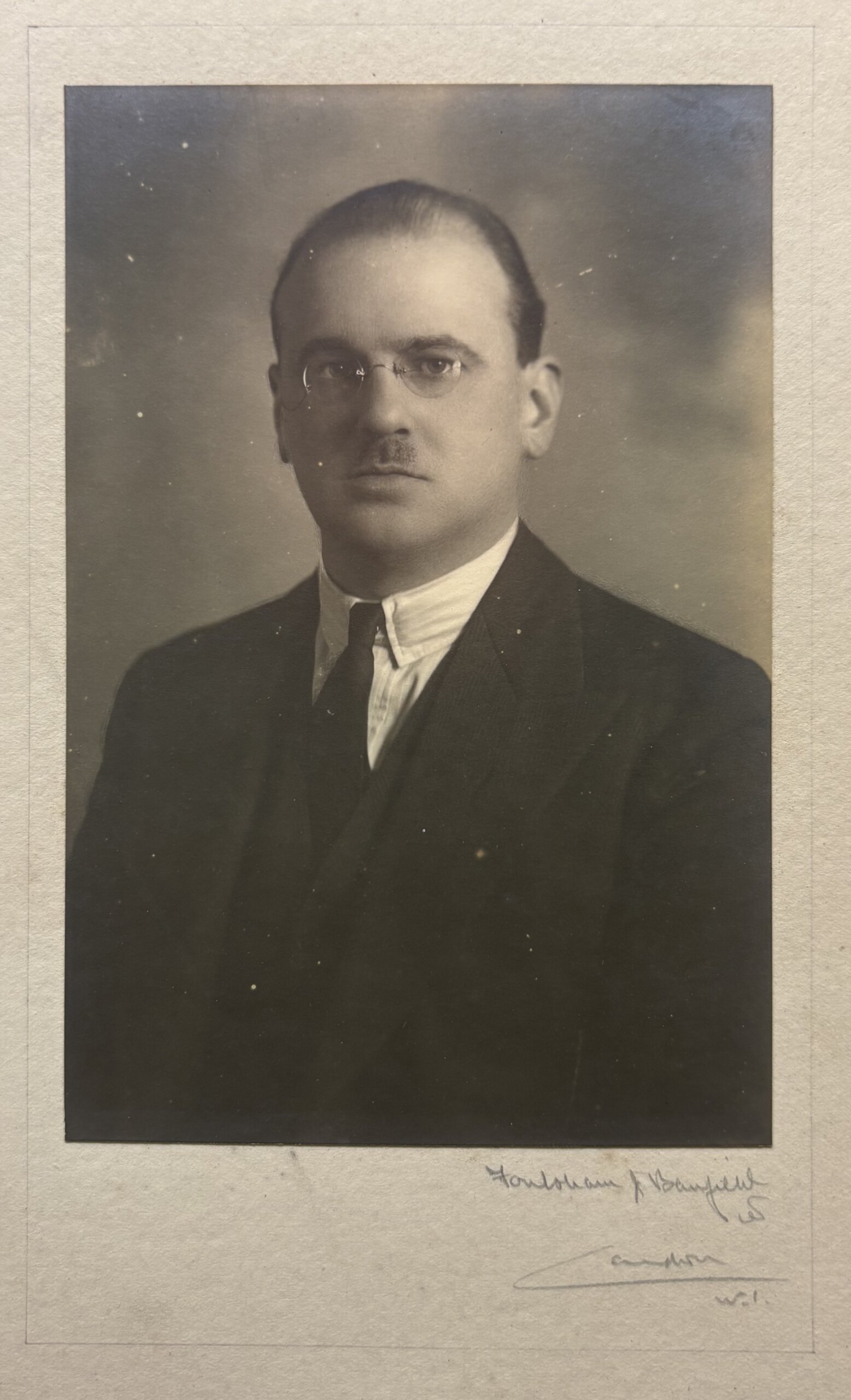
Following Dorothy Wales’s death in 1994, a collection of objects and research materials associated with her husband was left to the Society. An account published in the JRAS in 1995 records the breadth of the bequest. Among its contents were:
- A small Thai manuscript chest decorated in a black and gold design
- Five small figures, three in metal and two wooden, and a metal vase or urn
- Five scroll paintings
- Two Tibetan paintings on cloth (thangkas)
- A quantity of manuscript material including notebooks, and tour diaries relating to Dr Wales’s researches in South-East Asia in the 1930s
- Several scrapbooks consisting of newspaper cuttings relating to events in Thailand in the 1930s
- A large number of photographs
- A small box of assorted pieces of pottery
Together, these materials offer a rich record of Quaritch Wales’s research and travels. His photographs are particularly valuable, documenting archaeological sites, architecture and cultural life across Southeast Asia — from Angkorian temples to excavations at Kedah and ceremonies in Thailand. The photographs, research material and most of his objects remain in the Society’s collections today, providing opportunities for researchers to explore the region’s history through his records.
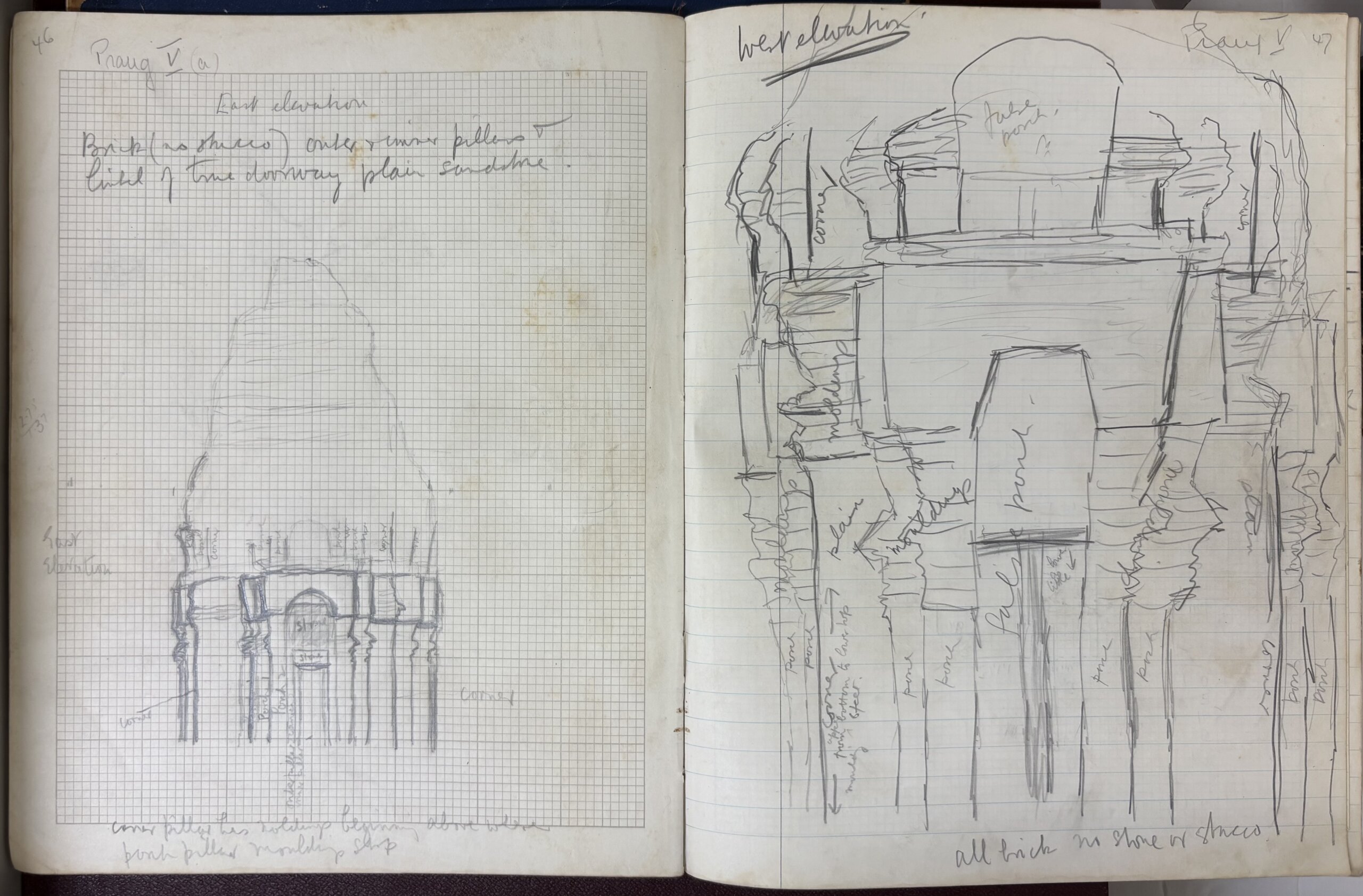
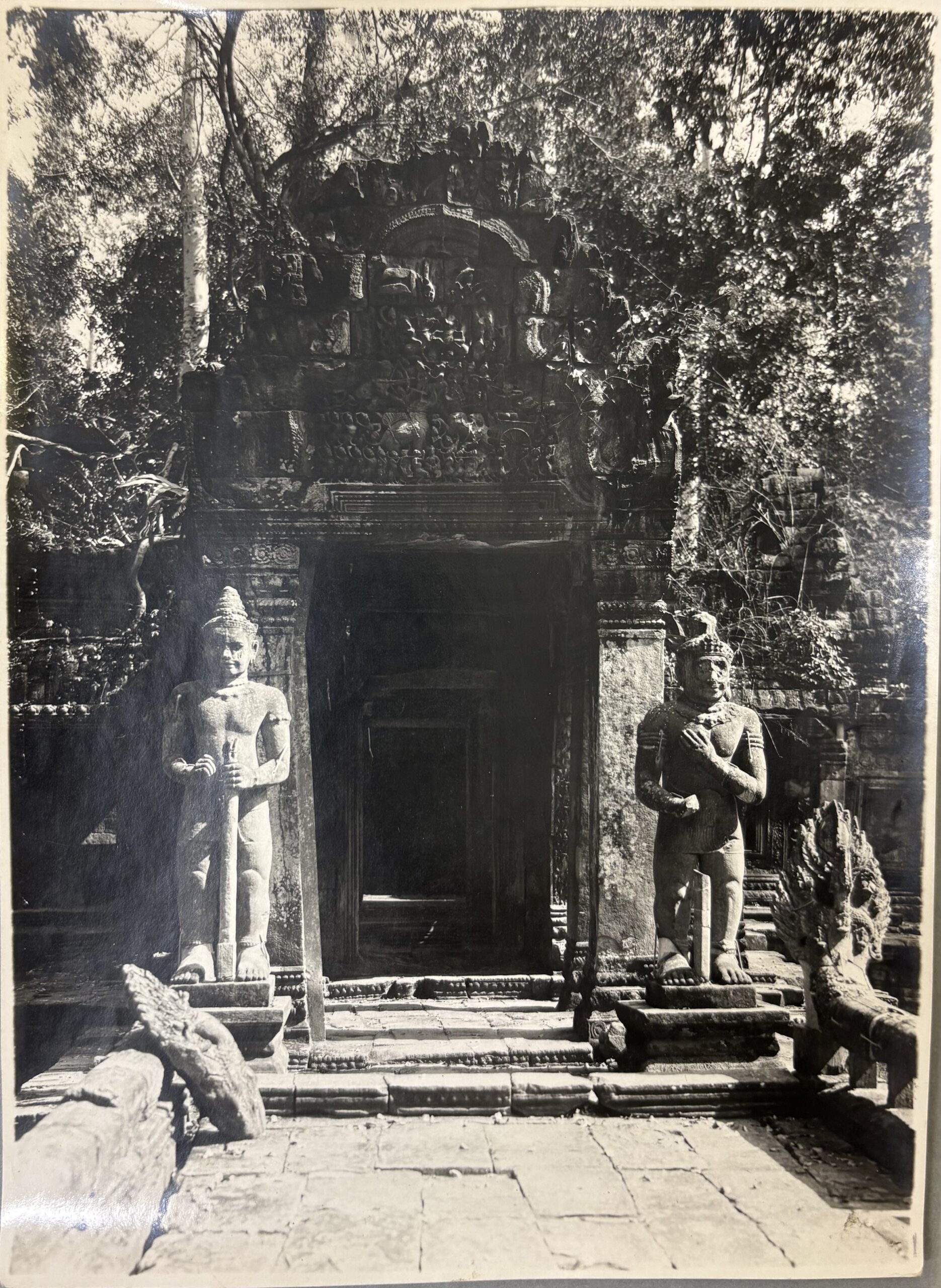
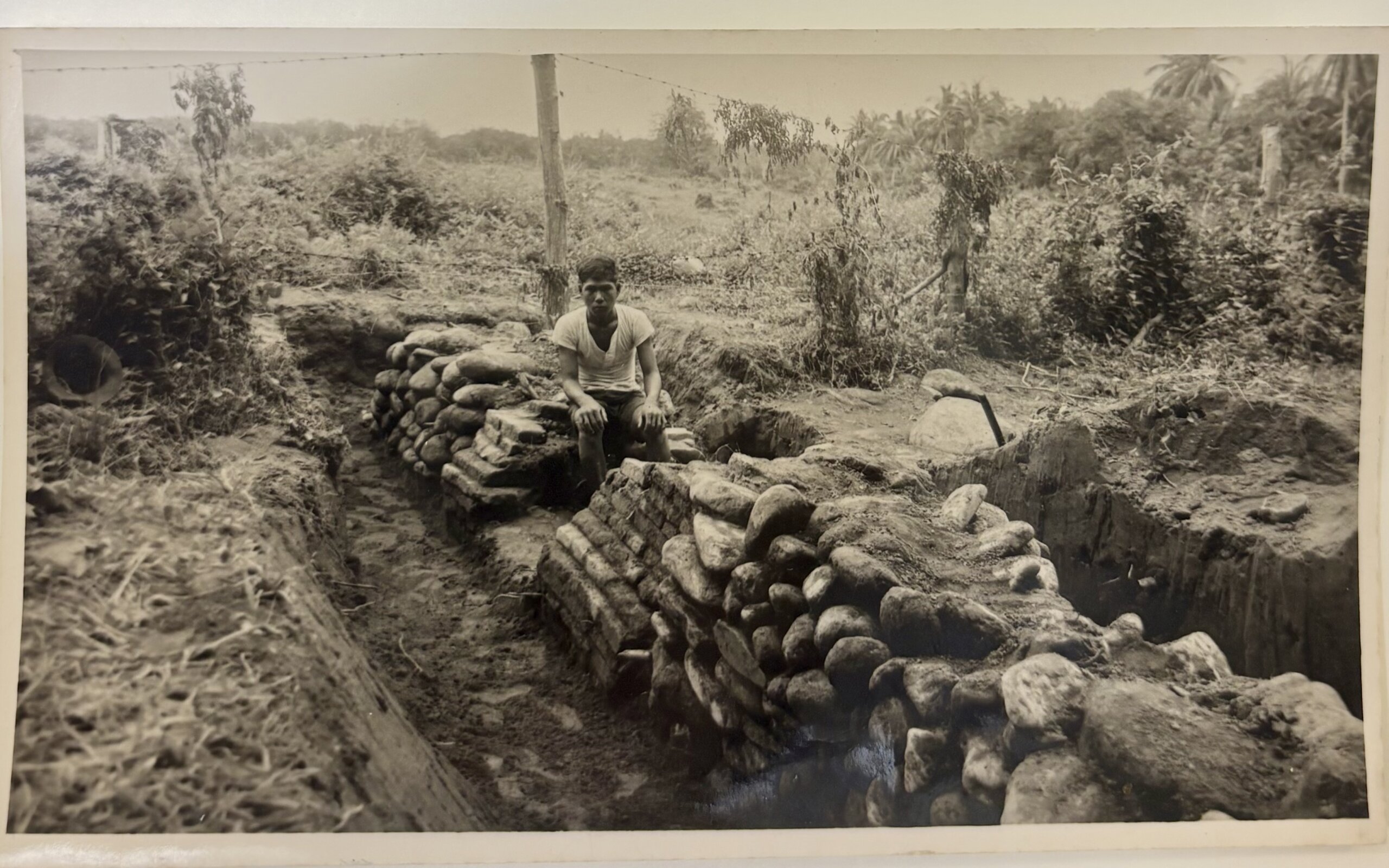
Quaritch Wales’s personal papers have been catalogued here, while descriptions of his photographs can be found in our Library catalogue under Photo.70.
The Denis Sinor Bequest
Bequests have also helped the Society fulfil another important part of its mission: recognising and encouraging outstanding scholarship.
In the early 1990s, Professor Denis Sinor (1916-2011), one of the world’s leading scholars for the history of Central Asia, established a medal intended to commemorate his connection with the Society and to recognise distinguished contributions to Inner Asian Studies. The medal was inaugurated in 1993, with Sir Harold Bailey (1899-1996), a scholar who taught at SOAS and the University of Cambridge, as its first recipient. Following Sinor’s death in 2011, a further sum was bequeathed to the Society to support the continued administration of the award, helping to secure its future.
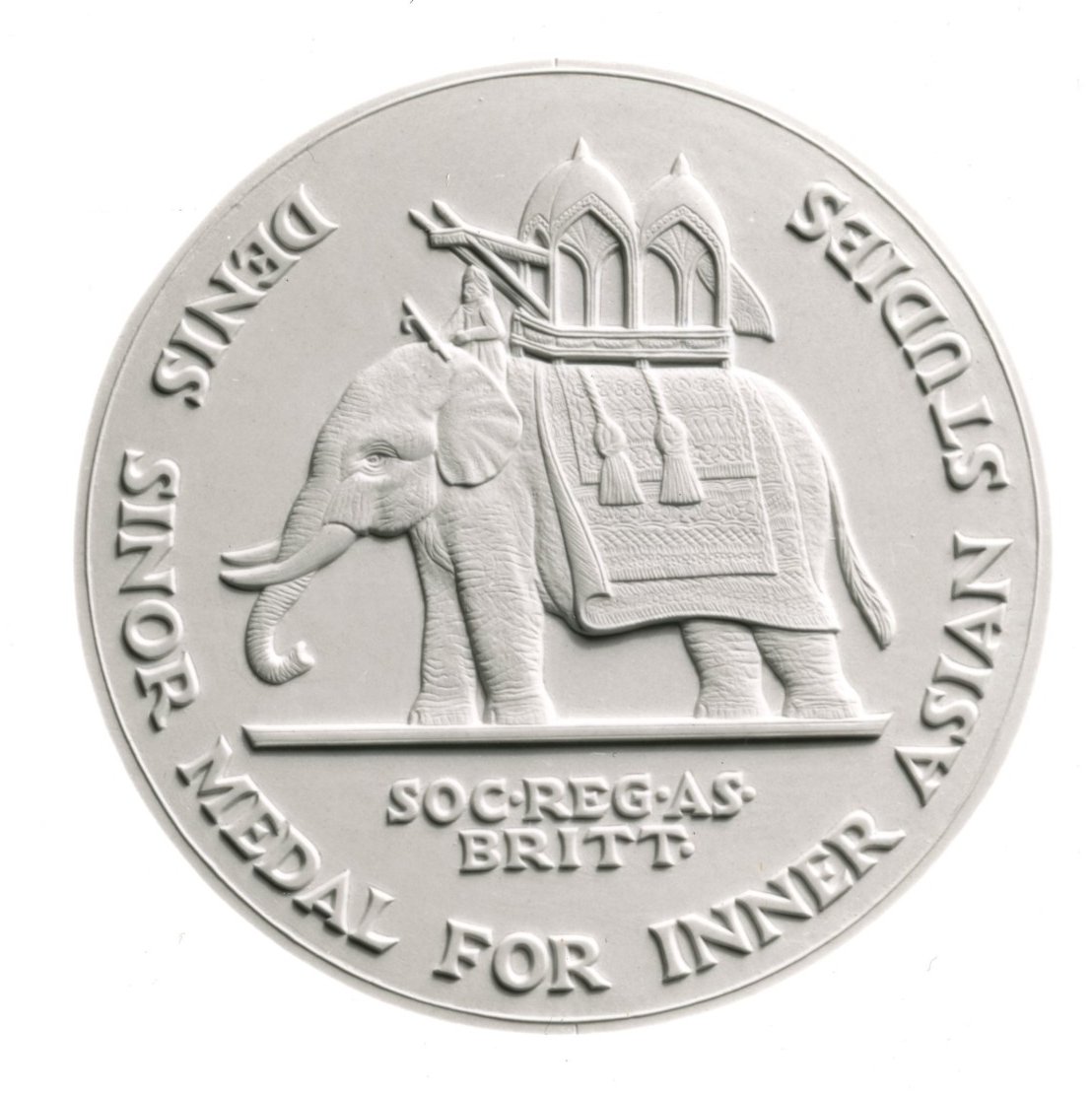
Since the inauguration of the medal, five scholars have received recognition for their substantial contribution to the field of Inner Asian Studies. By honouring their achievements, the award reflects the Society’s continuing commitment to advancing knowledge and celebrating scholarly excellence. The latest call for nominations for the Denis Sinor medal closed last month, and we are now considering the submissions and hope to share some exciting news with you very soon!
The Storey, Wales and Sinor bequests illustrate the many ways in which a legacy can shape the life of a learned society. A gift can bring an unfinished scholarly project to completion, preserve collections for future study, and ensure that outstanding academic work continues to receive recognition.
As an independent charity, the Society relies on the generosity of its members and donors to continue its work. If you are considering leaving a gift in your will to support a meaningful cause, we would be delighted to discuss with you how your legacy could help support our work and make a lasting difference to the study and appreciation of Asian cultures and histories. Please contact our Director, Alison Ohta at ao@royalasiaticsociety.org if you would like to explore this further.
In connection, you can always support the work of the Society by making a donation. Donations of any amount will be greatly appreciated. For more details please visit this page.